Air Compressor Rental for Oil & Gas Projects in Dubai, Sharjah, Abudhabi, Ajman, Fujairah | Portable compressor for rent | Automotive Ancillaries Limited
The oil and gas industry is one of the largest consumers of air compressor rental services in the GCC. From upstream drilling to downstream refining, compressed air plays a critical role in maintaining operational efficiency and safety.
Importance of Air Compressors in Oil & Gas
Air compressors are essential for various operations, including:
- Pipeline pressure testing
- Drilling and exploration
- Instrument air supply
- Sandblasting and coating
- Maintenance and shutdown activities
Reliable compressed air ensures smooth operations and reduces downtime in high-value projects.
Types of Compressors Used
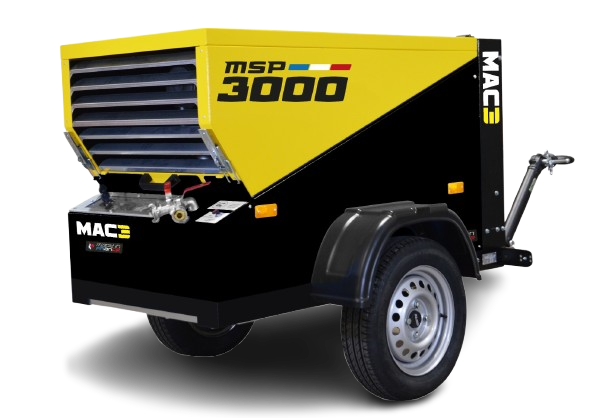
Portable Diesel Compressors
These are the most commonly used compressors due to their mobility and high performance.
High-Pressure Compressors
Used for pipeline testing and gas transmission applications.
Oil-Free Compressors
Essential for applications requiring contamination-free air.
Key Features Required
- High durability for harsh environments
- Continuous 24/7 operation capability
- High CFM output
- Fuel efficiency
- Safety compliance
Benefits of Renting for Oil & Gas
1. Cost Savings
Avoid high capital investment in expensive equipment.
2. Flexibility
Choose equipment based on project phase.
3. Maintenance Support
Rental providers handle servicing and repairs.
4. Quick Deployment
Immediate availability reduces project delays.
GCC Market Demand
Countries like UAE, Saudi Arabia, and Qatar have significant oil & gas activities, driving demand for compressor rental services.
Conclusion
Air compressor rental provides a reliable and cost-effective solution for oil & gas projects, ensuring operational efficiency, flexibility, and reduced capital expenditure.
📠ARTICLE 3: Choosing the Right CFM for Air Compressor Rental
Selecting the correct CFM (Cubic Feet per Minute) is crucial when renting an air compressor. Choosing the wrong capacity can lead to inefficiencies, increased costs, and operational delays.
What is CFM?
CFM measures the volume of air a compressor can deliver. It determines whether the compressor can handle your equipment and application requirements.
Common CFM Ranges
- 175–250 CFM → Small tools and light construction
- 300–600 CFM → Medium industrial applications
- 750–1000+ CFM → Heavy-duty industrial operations
Factors to Consider
Application Type
Different tasks require different airflow levels.
Number of Tools
Multiple tools increase air demand.
Continuous vs Intermittent Use
Continuous applications require higher capacity.
Risks of Incorrect Selection
- Underpowered compressor → Reduced productivity
- Overpowered compressor → Higher fuel costs
Conclusion
Choosing the correct CFM ensures efficiency, cost savings, and smooth project execution.